
Custom pools, spas and remodels in 19 Valley cities and towns, from Buckeye to Queen Creek and Anthem to Ahwatukee, built by a licensed Arizona pool contractor based in Peoria.
Searching for pool builders in the Phoenix metro, or simply a “pool builder near me” in Arizona, turns up hundreds of names. What matters more than the name is whether the builder knows your part of the Valley: who issues the permit, what the ground under your yard is like, what your HOA will ask for, and how far the crew has to drive. Arizona Pool Builders is based in Peoria, in the West Valley, and we build across 19 cities and towns in Maricopa County and the edge of Pinal County. This page is the map.
The Phoenix metro looks like one big city from the freeway, but for a pool build it is a patchwork. Gilbert and Queen Creek are towns with their own building departments. Anthem is not a city at all; it sits in unincorporated Maricopa County, so the county permits pools there. Ahwatukee feels like its own suburb but is part of the City of Phoenix. Carefree and Cave Creek dig into granite and boulders, while much of Chandler and Gilbert was farmland a generation ago. Each of those facts changes the design, the schedule and sometimes the price.
Below you will find every community we serve, grouped by region, with a short note on what makes building a pool there different and links to our full city page and local guide. After the city cards, we explain how permitting, soil, flood zones, HOAs and scheduling vary across the Valley, and answer the questions we hear most.
Use the region buttons to narrow the list, or scroll through all 19. Each card links to that city’s landing page and, where we have written one, a longer local guide to building a pool there.
Pick a region to filter the city cards below.
Our home turf. Mostly flat, newer master-planned communities, with rocky foothill lots near the White Tank and Estrella mountains and north Peoria.
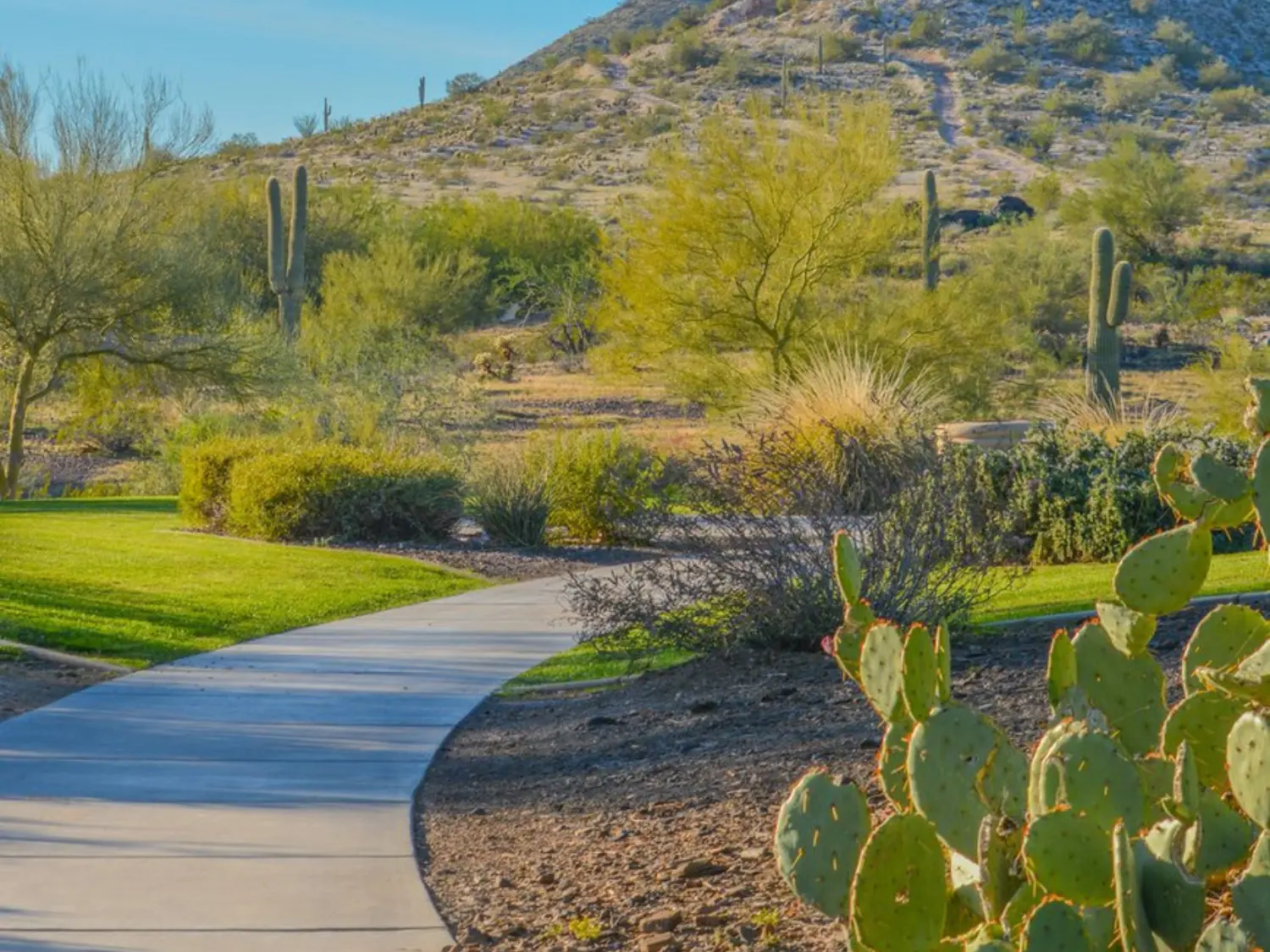
Where we are based. South Peoria is flat, established neighborhoods; north Peoria toward Lake Pleasant climbs into rocky desert foothills where excavation and grading take more planning. Pools are permitted by the City of Peoria.
Our next-door neighbor, typically a short drive from Peoria. Glendale mixes historic central neighborhoods with older pools ripe for remodels and newer north Glendale subdivisions such as Arrowhead Ranch. The City of Glendale handles plan review and inspections.
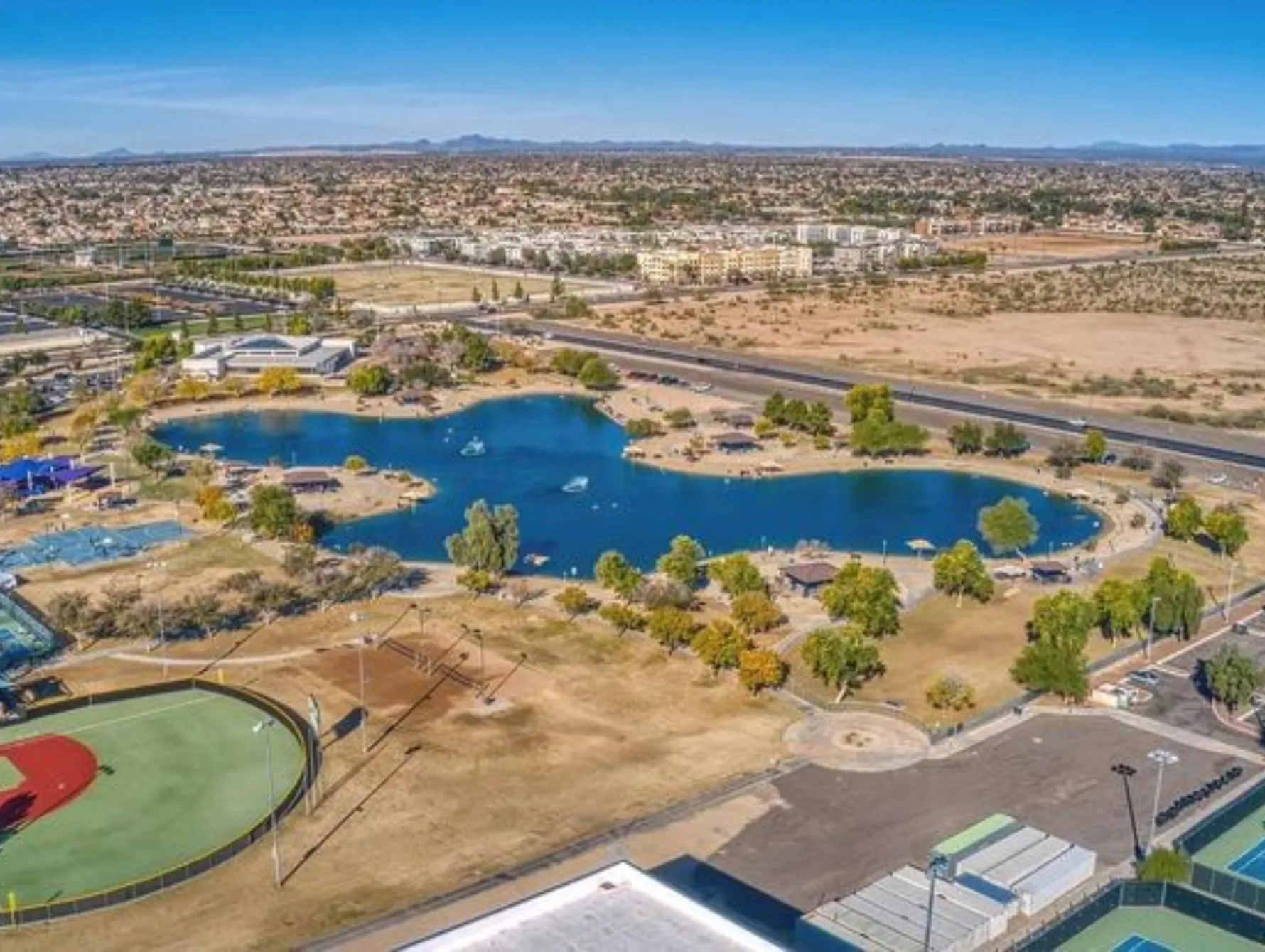
Large active-adult communities plus young family master plans on flat former farmland. Surprise publishes its own pool barrier rules and says it has no barrier waiver program, so the fence plan matters even in adults-only homes.

A compact city of mostly production-home subdivisions between Surprise and Peoria. Yards tend to be modest with block walls and narrow side access, so efficient pool shapes and an access plan come first. The City of El Mirage issues the permit.
Flat master plans north of I-10 and hillside lots in the Estrella foothills to the south, where slope and rock can shape the design. Expect strong HOA architectural review in most communities. The City of Goodyear permits and inspects.

Near where the Agua Fria and Gila rivers meet, so river-deposited ground can include gravel, cobble or caliche that varies lot to lot. Neighborhoods range from older central Avondale to lake communities like Garden Lakes. The City of Avondale permits pools separately from the house.

One of the fastest-growing cities in the Valley, with many first-time pool owners in new homes. Communities like Verrado sit against the White Tank foothills, while some acreage nearby is unincorporated county land, so we confirm the permitting authority by address.
Higher, rockier desert at the north edge of the metro. Granite, boulders and washes make these the most site-driven builds we do.
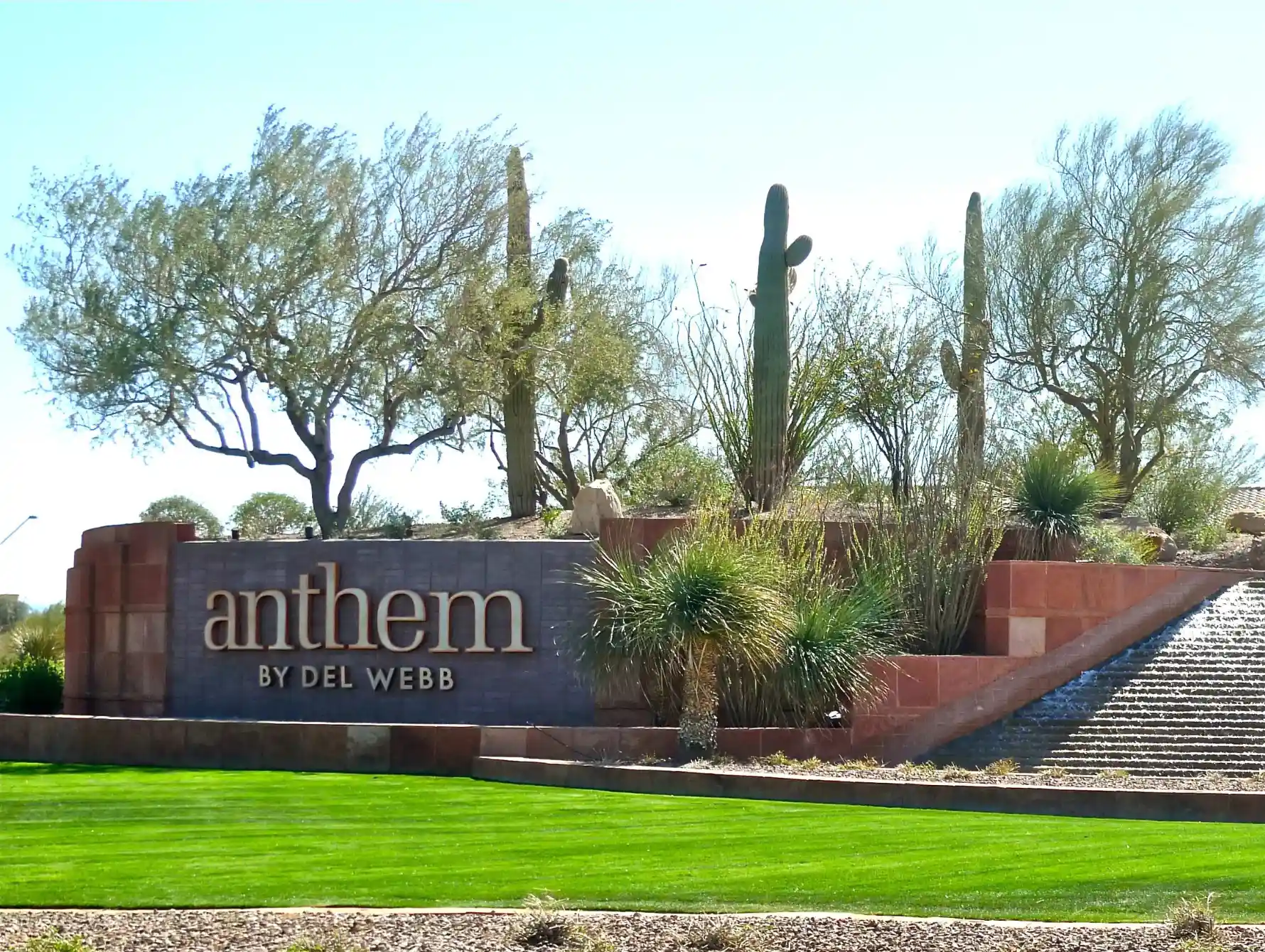
Anthem is a master-planned community, not a city, so pool permits go through Maricopa County Planning and Development rather than a city hall. Community design review applies on top, and rocky foothill ground is common along the I-17 corridor.
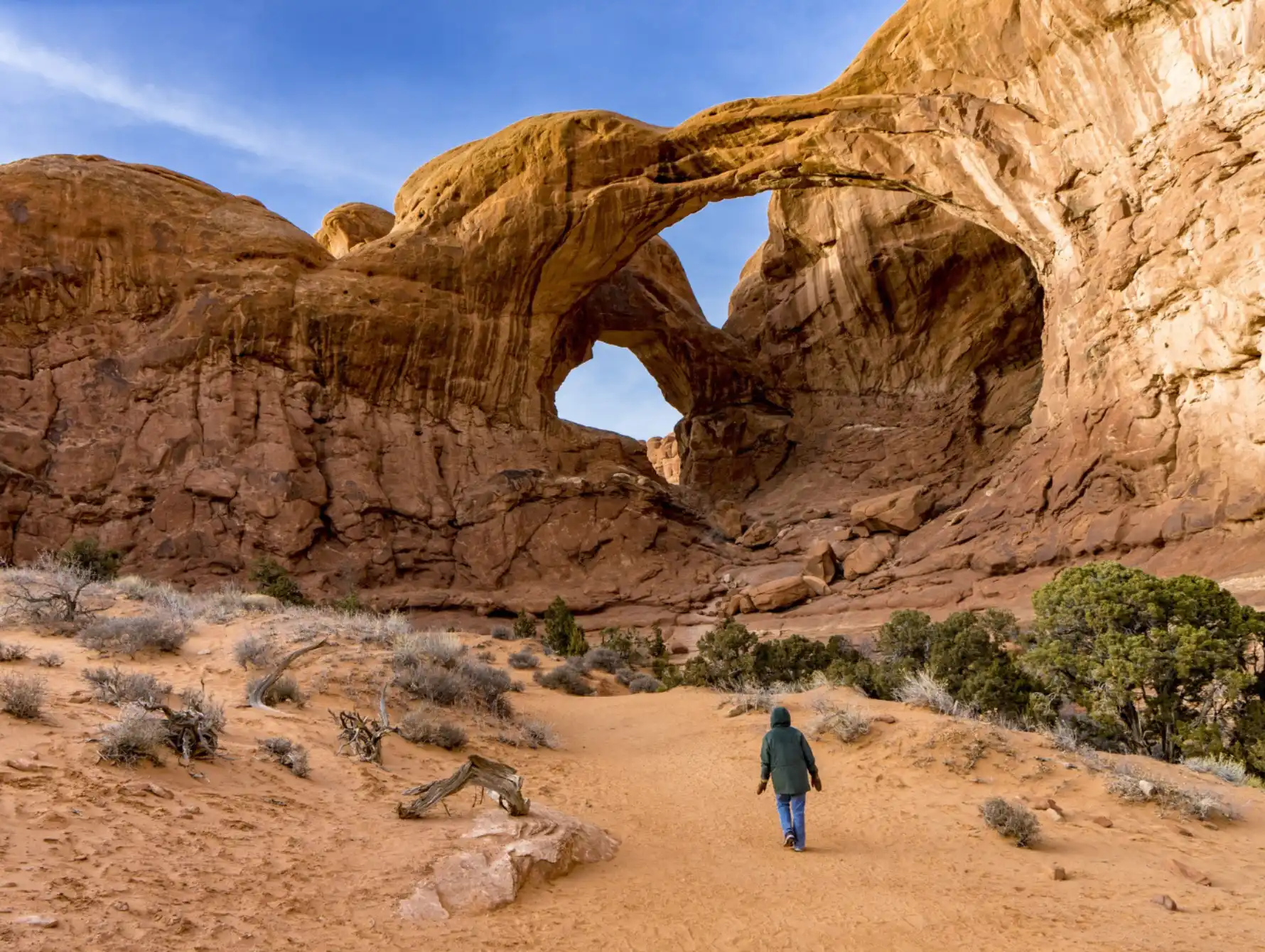
Larger desert lots, washes, native vegetation and hard rock. Many homes are on septic, which affects where a pool can go, and natural-desert character is a priority. Plan for a slower, more careful dig than on the valley floor.
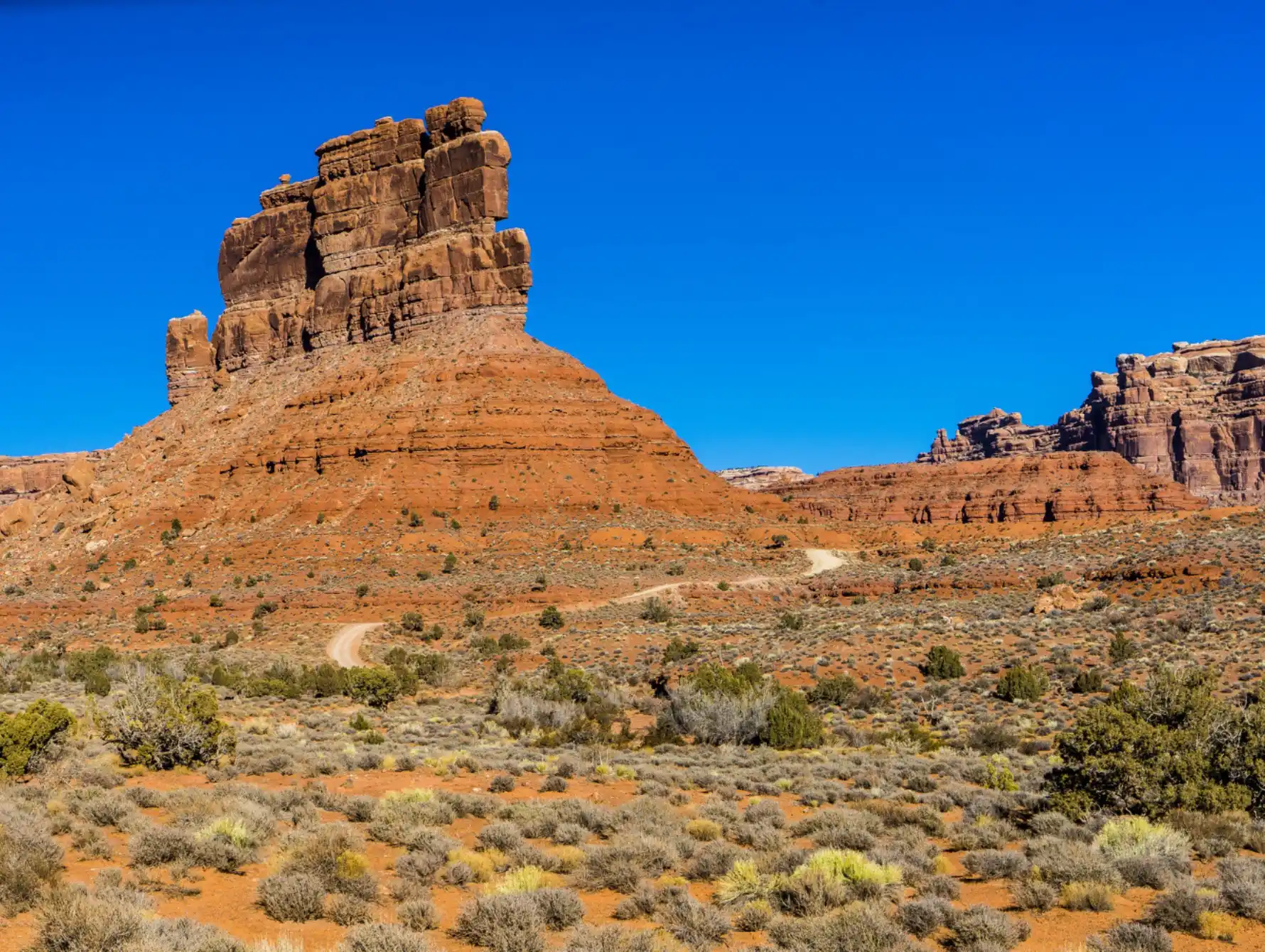
Boulder-strewn custom-home lots where the Town limits how much of the site can be disturbed, which shapes pool size and placement. Town building, planning and engineering review grading and drainage, and rock excavation is the norm, not the exception.
The City of Phoenix and its closest neighbors: established neighborhoods, mountain-preserve edges and some of the Valley’s largest residential lots.

The biggest and most varied city we serve, from older central neighborhoods with mature trees and alley access to north Phoenix lots in rocky desert near the mountain preserves. One city permit office covers it all, but no two Phoenix yards dig the same.

Ahwatukee is a Phoenix village south of South Mountain, so the City of Phoenix issues pool permits even though the mailing address can feel like its own town. Foothill lots can be sloped and rocky, and many neighborhoods have active HOAs.
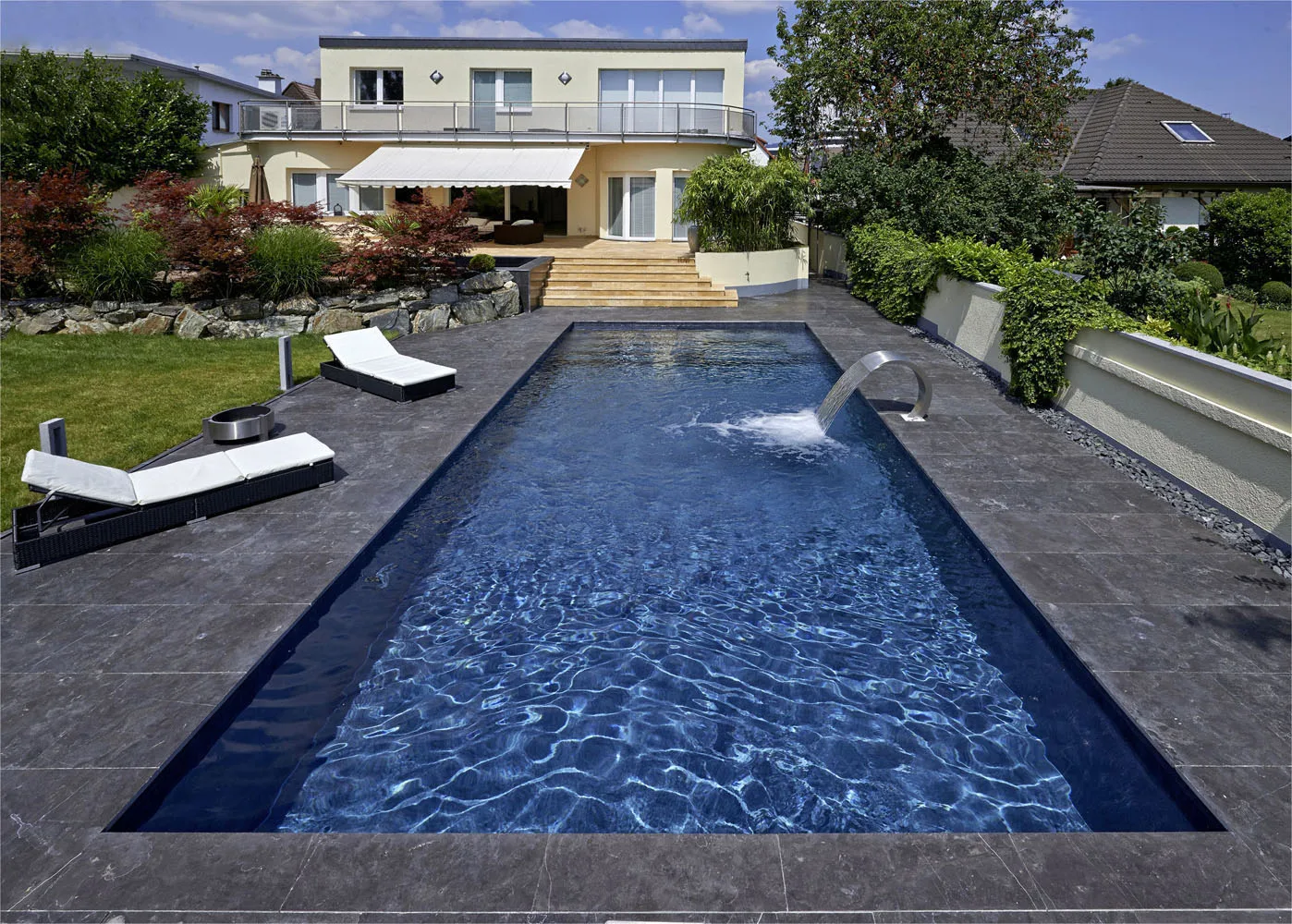
Large estate lots between Camelback and Mummy mountains. The Town’s Community Development Department handles building, planning and engineering review, and hillside-designated lots go through extra review, so allow more design time.
Master-planned suburbs, older Tempe and Mesa neighborhoods, and Scottsdale’s desert north. The farthest drive from our base, so we schedule these jobs carefully.
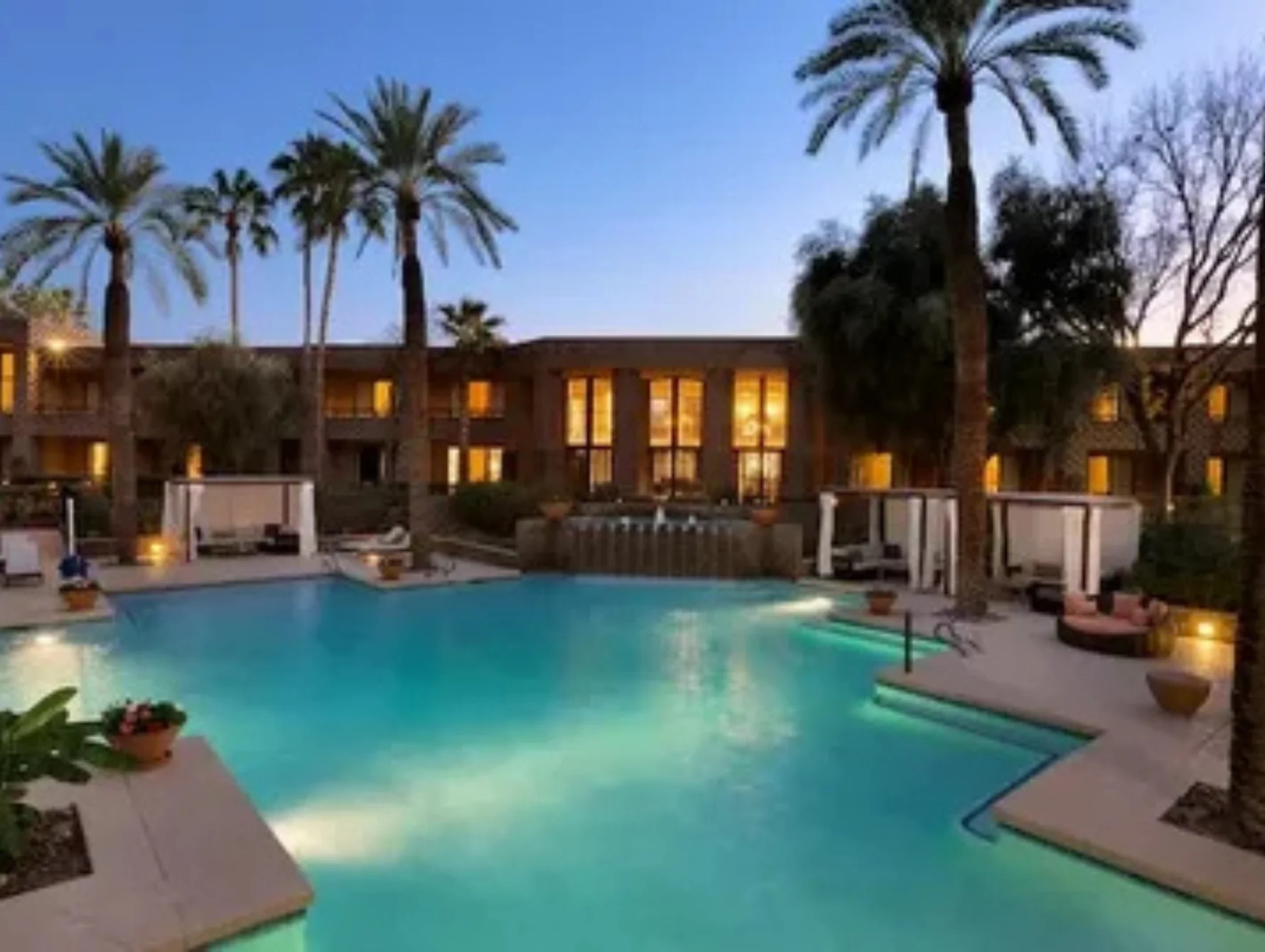
Central Scottsdale lots are flat and familiar; north Scottsdale brings boulders, slopes and Environmentally Sensitive Lands rules that protect native desert. The City of Scottsdale reviews pool plans and applications through its online portal.
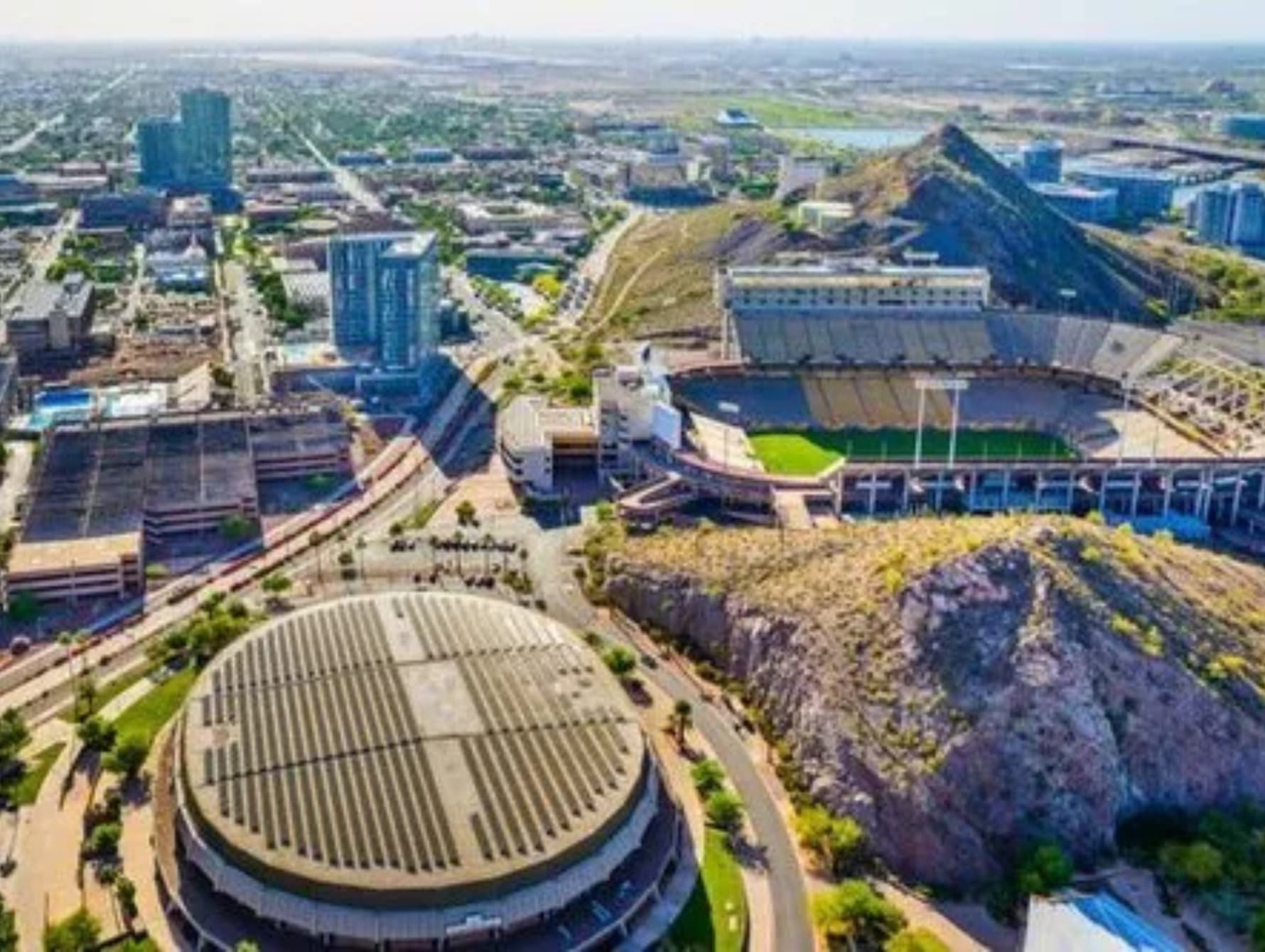
Mostly built-out, with many homes from past decades. A lot of Tempe work is remodeling or replacing an aging pool, and mature trees, tight lots and older utilities need care. The City of Tempe permits and inspects.

A huge city with two personalities: older west and central Mesa neighborhoods, some on larger non-HOA lots, and newer east Mesa communities toward the Usery and Superstition foothills where rock can show up. The City of Mesa permits pools.

Flat, largely master-planned and HOA-governed, including lake communities. Most yards dig cleanly, so the planning focus shifts to HOA approval, wall access and fitting a family pool into a standard lot. The City of Chandler permits and inspects.
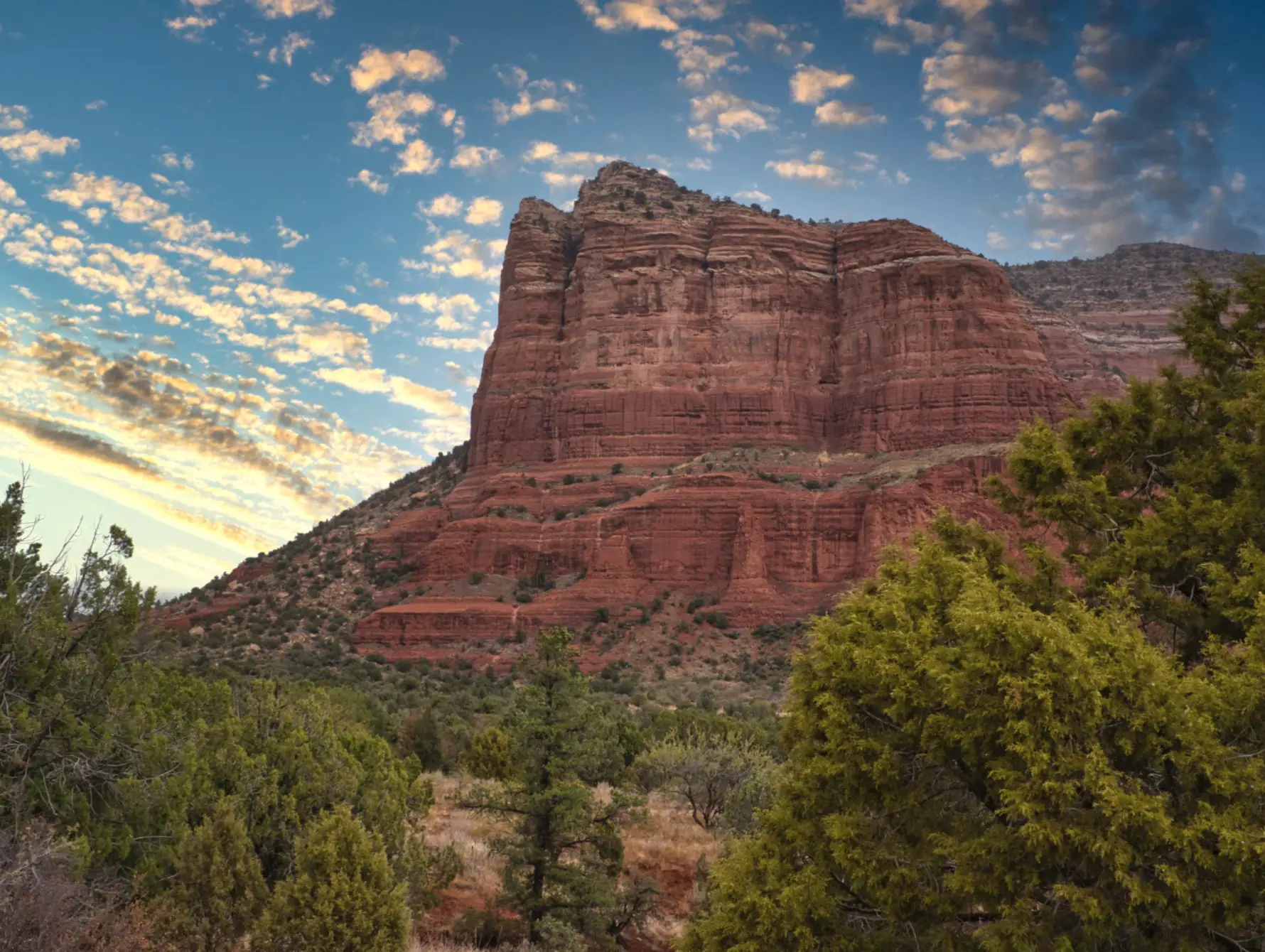
A town, not a city, with its own Development Services, pool-fence standard and inspections. Much of Gilbert is master-planned former farmland, so HOA review and tight production-home side yards drive the schedule more than the soil does.
Larger lots and a rural feel at the southeast edge of the metro. The town spans Maricopa and Pinal counties, but the Town of Queen Creek permits every address inside town limits. A Queen Creek ZIP code does not always mean town limits, so we check.
Do not see your neighborhood? If you live near one of these communities, there is a good chance we can still help. Send us your address and we will tell you honestly whether it is in our service area.
The first question we answer for every project is which government reviews the plans. In the Phoenix metro there are three main answers, and your mailing address does not always tell you which one applies.
| Jurisdiction type | Who permits | Communities on this page |
|---|---|---|
| Incorporated city | That city’s building or development services department | Phoenix (including Ahwatukee), Mesa, Peoria, Chandler, Tempe, Glendale, Scottsdale, Surprise, El Mirage, Goodyear, Avondale, Buckeye |
| Incorporated town | The town’s own building department | Gilbert, Queen Creek, Cave Creek, Carefree, Paradise Valley |
| Unincorporated county | Maricopa County Planning and Development | Anthem, plus county islands and some acreage near Buckeye and other fringe cities |
Legally, a “town” in Arizona does the same job as a city when it comes to building permits. Gilbert is one of the largest towns in the country and runs its own plan review just like Mesa or Chandler next door. What changes from place to place is the detail: which edition of the building and pool codes the community has adopted, how it wants plans submitted, which inspections it requires and in what order, and what its own pool-barrier ordinance says. Some communities publish their own pool barrier handouts; Surprise, for example, states on its barrier page that it does not run a waiver program. We keep track of those differences so your plans are drawn for the right rulebook the first time.
Not every neighborhood in the metro is inside a city. Anthem is the best-known example on this page: it is a large master-planned community in unincorporated Maricopa County. For those addresses, Maricopa County Planning and Development provides land-use planning, building permit review and inspection, and code compliance. The process feels similar to a city permit, but the office, the portal and the inspectors are different, and community design review still applies on top. County islands, pockets of unincorporated land surrounded by a city, also exist around the Valley, which is why we look up every address rather than assuming.
The City of Phoenix is divided into urban villages, and Ahwatukee Foothills is one of them. Homeowners there sometimes expect a separate town hall, but pool permits for Ahwatukee addresses go through the City of Phoenix. The same is true of north Phoenix areas that many people think of as separate places. If your address says Phoenix, the City of Phoenix is usually your permitting authority, but we confirm it with the parcel, not the postcode.
We do not publish permit fees or review times because they differ by community and change often. We will tell you what applies to your address at your consultation, and our Arizona pool permits guide walks through the general process.
The same pool design can cost very different amounts to dig in different parts of the metro. The Valley floor, the foothills and the river corridors each bring their own surprises.
Much of Chandler, Gilbert, Queen Creek, Surprise and the newer West Valley sits on flat, once-farmed ground that usually digs without heavy equipment. Pockets of caliche, a cement-like layer of calcium carbonate common in Arizona soils, or compacted fill can still slow a dig.
Carefree, Cave Creek, Anthem, north Scottsdale, north Peoria, Ahwatukee’s foothills, Paradise Valley’s hillsides and the Estrella and White Tank edges can bring granite, boulders and slope. Expect rock excavation, retaining walls and longer schedules.
Ground near the Salt, Gila, Agua Fria and New rivers, and lots crossed by desert washes, can hold gravel and cobble and may sit in or near a mapped floodplain. Grading and drainage plans get extra attention here.
We never promise a soil condition we have not seen. Our contracts spell out how unexpected rock, buried debris or fill is handled, so there is no mid-dig surprise in the paperwork even when there is one in the ground. Before any excavation, buried utilities are marked through Arizona 811, as state law requires.
Flood risk is not limited to the riverbanks. Desert washes, canal and railroad embankments, and low spots in flat subdivisions can all collect water in heavy storms. Before we design, we check whether a lot is in a mapped flood hazard area. You can look up your own property on the Flood Control District of Maricopa County floodplain information page, which links to the county’s GIS Floodplain Viewer, or on FEMA’s Flood Map Service Center. A floodplain location can add requirements, and every pool needs a deck and grading plan that sends runoff away from your house and your neighbors.
Summer monsoon storms bring wind, dust and sudden rain across the whole metro. The National Weather Service Phoenix office issues the dust storm, flood and excessive heat warnings that sometimes pause construction work for a day. We plan pours, plaster and startup around the forecast, and our monsoon pool prep guide covers what owners can do once the pool is running.
Every new pool starts with a fill, and Valley water is generally hard, so start-up chemistry and finish choice matter everywhere we build. Your water provider depends on your city or, in some unincorporated areas, a private utility. At the state level, the Arizona Department of Water Resources manages Arizona’s water supply and groundwater rules. Our guides to pool water chemistry in Arizona and how much water a pool loses explain the ownership side.
A large share of homes in the metro sit inside a homeowners association, and in master-planned areas like Gilbert, Chandler, Goodyear, Buckeye, Surprise, Ahwatukee and Anthem, architectural review is often the longest step before we can dig. Older neighborhoods in Phoenix, Tempe, Mesa and Glendale are more likely to have no HOA at all. Where there is one, the CC and Rs and design guidelines govern, but most associations ask for a similar package:
Some committees meet on a fixed schedule, so a missed submission date can push a start by weeks. We prepare the HOA package and run it alongside the city, town or county review wherever the association allows. If you ever end up in a dispute with your association, the Arizona Department of Real Estate explains the state’s homeowners association dispute process, although most pool approvals are settled with a revised drawing.
Arizona Pool Builders is based in Peoria. Glendale, Surprise and El Mirage are typically a short drive; the rest of the West Valley, Anthem and much of Phoenix are usually within an hour depending on traffic; and the far East Valley, especially Queen Creek, can take longer each way. Distance does not change the quality of the work, but it does change how we plan it.
Most projects take a few months from signed design to swimming. HOA calendars, plan-review comments, rock and weather move that number more than geography does. Our what to expect page and the construction timeline guide explain each phase.
Our published package tiers are the same everywhere we build: $45K–$65K for a well-built pool with quality equipment and finishes, $65K–$100K for added features such as a spa, heating, automation and upgraded finishes, and $100K+ for larger custom designs and full outdoor living. Where a project lands within those tiers depends far more on the site and your choices than on the city name:
For a range based on your own choices, try our pool cost calculator, read the Phoenix-area pool cost guide, or look at financing options. Planning to update an existing pool instead? See our pool remodel services.
Wherever you are in the Valley, book a free consultation at your home, or get an instant price range from our online calculator first.
Arizona Pool Builders is ROC #344023 — licensed for both residential and commercial pool construction with a KA-5 designation and in good standing with the Arizona Registrar of Contractors.